
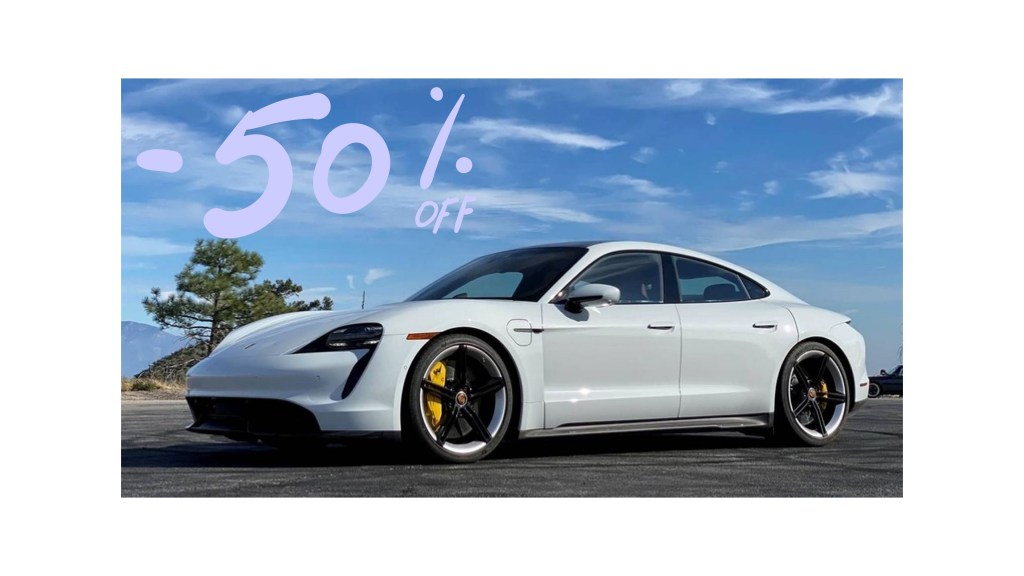
Market dynamics have shifted dramatically through 2024, pushing used EV prices 11.4% below their gas-powered counterparts. The numbers tell a compelling story. Three-year-old electric vehicles now average $28,400 on dealer lots – a sharp 25% decline from early 2023 prices. More striking still, pre-owned EVs are shedding value at rates that outpace both hybrid and traditional vehicles, dropping four times faster than hybrids and six times faster than gas-powered cars.
Premium electric models showcase this pricing phenomenon most dramatically, with the Porsche Taycan and Audi e-tron models now available at half their original sticker price. This guide examines today’s most attractive used EV opportunities, uncovers the factors driving these unprecedented price drops, and provides expert insights for your pre-owned electric vehicle purchase.
Why Premium EVs Are Leading the Price Drop
Luxury electric vehicles tell a startling story of value decline. Take the Audi e-tron – this premium SUV now commands a mere $32,405 in the resale market, shedding an astounding 58% of its value over five years. Such aggressive depreciation outpaces comparable gas-powered models threefold.
Perhaps no vehicle better exemplifies this pricing freefall than the Porsche Taycan. These high-performance machines have hemorrhaged value, with Turbo variants losing an eye-watering $100,000 within four years. Picture this: a 2020 Turbo S model, once proudly displayed at $206,950, now sits on dealer lots at $105,900 – hemorrhaging $101,050 of its original worth.
Tesla’s flagship models face similar headwinds. The Model S leads the depreciation charts with a 55.5% value loss over five years. Its larger sibling, the Model X, shows equally concerning numbers – its resale value plummeting from 50.1% in 2023 to a mere 44.8% in 2024.
Yet the Mercedes-Benz EQS presents the most dramatic case study. Would you believe a 2023 EQS, originally commanding $156,170, now fetches just $67,000 in instant cash offers? This represents a staggering 57% evaporation of value. Such steep declines characterize the luxury EV segment, where five-year depreciation averages 48.1% – significantly higher than the 38.8% norm for mainstream vehicles.
Best Used EV Deals Right Now
Ready to capitalize on the current EV market correction? Premium models offer particularly tempting prospects. The Tesla Model 3, once the poster child of EV innovation, now beckons buyers with prices under $20,000 for 2017-2019 models. The prestigious Porsche Taycan tells a similar tale – these engineering marvels, originally commanding $130,000+, now grace showrooms at $53,572 to $72,900 for 2021 variants.
Luxury seekers will find golden opportunities throughout the market. Consider the sophisticated Audi e-tron – these $65,000+ vehicles now change hands for a modest $34,915 to $41,046.
Smart shoppers need not limit themselves to premium nameplates. The Hyundai Kona Electric starts at an attractive $11,000, delivering exceptional range for the investment. The distinctive BMW i3, beginning at $6,000, proves that German engineering need not break the bank.
The financial benefits extend well beyond purchase price. Annual operating costs for typical three-year-old EVs hover around $550-$650 for 15,000 miles. Savvy owners pocket up to $5,750 in fuel savings over five years compared to traditional vehicles.
Smart Buying Tips for Used EVs
Battery health stands as your primary checkpoint when evaluating used electric vehicles. Smart buyers secure detailed battery health reports through dealer service departments. Quality batteries demonstrate remarkable resilience, typically shedding merely 1-2% capacity each year.
Your warranty protection deserves equal scrutiny. While manufacturers typically extend 8-10 years or 100,000 miles of battery coverage, warranty transfer policies vary significantly. Protect your investment – contact manufacturer support with your target vehicle’s VIN to verify transferability.
Master the art of price negotiation through battery metrics. Significant degradation opens powerful bargaining opportunities. Watch for battery health readings below 70% – these signal replacement territory and should substantially influence your offer.
Essential Pre-Purchase Checklist:
· Secure documentation of any battery replacements
· Confirm inclusion of all charging equipment
· Schedule independent mechanical evaluation
· Research insurance costs thoroughly
Certified pre-owned programs offer peace of mind, yet our experts caution against paying significant CPO premiums. Money-conscious buyers should explore potential tax credits – qualifying vehicles under $25,000 may receive up to $4,000 in federal incentives.
Cold climate drivers, take note: winter conditions can slash driving range by 25%. Demand complete charging histories and maintenance documentation. These records paint the clearest picture of your potential purchase’s health and history.
Future Market Outlook
Ready to step into the world of premium electric vehicles? Market conditions have never looked more favorable. Prestigious nameplates like the Porsche Taycan and Audi e-tron – once symbols of EV exclusivity – now trade hands at half their original prices.
What does this mean for discerning buyers? Exceptional opportunities await those who target high-end models boasting robust battery health and substantial warranty coverage. While steeper depreciation curves distinguish EVs from their gasoline counterparts, the mathematics still favors electric adoption through reduced operating expenses and available tax incentives.
Success in this buyer’s market demands your dedication to due diligence. Armed with battery health assessments, warranty validations, and comprehensive service histories, you’ll navigate confidently toward securing an optimal deal on your pre-owned electric vehicle. The future of premium EV ownership has arrived – and it’s more accessible than ever.